Senior Downsizing Victoria BC: A Complete Guide to Transitioning with Dignity

Table of Contents
- The Emotional Weight of Downsizing: More Than Just Moving
- The Vancouver Island Context: Real Estate and Relocation
- Moving Companies vs. Senior Transition Specialists
- The Executive Home Care Downsizing Experience
- A Day in the Life: The EHC Downsizing Difference
- Frequently Asked Questions About Senior Downsizing in Victoria BC
- Embrace Your Next Chapter with Confidence
For many seniors across Greater Victoria and Vancouver Island, the family home is much more than a physical structure. It is a repository of memories, a testament to a life well-lived, and a sanctuary of independence. Yet, as the years pass, the maintenance of a large property, the physical demands of stairs and gardens, and the desire for a simpler lifestyle often lead to a profound decision: the choice to downsize.
Whether you are moving from a sprawling heritage home in Oak Bay, a waterfront property in Sidney, or a rural acreage in Cobble Hill, downsizing is a common but complex transition. The process of moving from a longtime family home to a more manageable space—whether a condo in James Bay, a townhome in Saanich, or a premium care environment—is rarely just a logistical exercise. It is a deeply emotional journey that requires far more than packing boxes and hiring a moving truck.
This comprehensive guide explores the realities of senior downsizing across the Capital Regional District and beyond. We will examine the emotional challenges, the local real estate context, the difference between standard moving companies and comprehensive transition services, and how Executive Home Care provides a uniquely supportive, concierge-level approach to this significant life event for families throughout our service areas.
The Emotional Weight of Senior Downsizing Victoria BC: More Than Just Moving
When families search for “senior downsizing help Victoria BC” or “how to help parents downsize home,” they are rarely just looking for someone to carry boxes. They are looking for a way to manage the profound emotional transition that comes with leaving a family home.
The decision to downsize is rarely made overnight. It is often the culmination of months, or even years, of quiet contemplation. A senior might notice that the stairs are becoming more difficult to navigate, or that the garden they once loved tending has become an overwhelming chore. Perhaps the house simply feels too quiet and empty after the children have grown and moved away. Whatever the catalyst, the realization that it is time to leave the family home is a profound one.
While there may be relief at the prospect of fewer responsibilities, there is also inevitable grief. According to research published in The Gerontologist, residential relocation in later life ranks among the top three most stressful life events for older adults, alongside the loss of a spouse and major health diagnoses. This stress is not merely logistical; it is deeply psychological.
The “Material Convoy” and Identity
Dr. David Ekerdt, a leading gerontologist, coined the term “material convoy” to describe the possessions we accumulate throughout our lives. These items are not merely objects; they reflect our identities, our relationships, and our histories. By age 70, many individuals have amassed between 300,000 and 400,000 items.
Consider the dining room table where decades of Thanksgiving dinners were hosted, the armchair where a spouse used to read the morning paper, or the collection of teacups gathered from travels around the world. These items hold immense emotional significance. When downsizing, seniors are forced to make difficult decisions about which aspects of their material history will accompany them into their next chapter. This process can feel like editing one’s life story, deciding which chapters deserve to be preserved and which must be left behind.
A study in the Journal of Housing for the Elderly found that 78% of seniors reported experiencing symptoms of grief during downsizing, including sadness, tearfulness when sorting through possessions, difficulty sleeping, anxiety about the future, and temporary depression following the move. This grief response is often complicated by societal expectations that downsizing represents a positive “rightsizing” that should be embraced rather than mourned. This mismatch between internal emotional experiences and external expectations can leave seniors feeling misunderstood and isolated in their grief.
The Fear of the Unknown and Loss of Autonomy
The familiar, even with its inconveniences or maintenance challenges, provides psychological security. Moving to a new environment—whether a smaller home, retirement community, or assisted living facility—introduces numerous unknowns. Will I adapt to new surroundings? Will I make new connections? Will I maintain my independence? Will I receive adequate support? Will I be able to continue meaningful activities?
Data from the National Council on Aging indicates that 65% of seniors report anxiety about these unknowns during residential transitions, with this percentage rising to 82% for those moving into care communities rather than independent housing.
Furthermore, when downsizing decisions feel externally imposed—due to health crises, financial considerations, or family pressure—seniors often experience a profound loss of autonomy. For many older adults, downsizing decisions may not feel entirely voluntary, even when they intellectually understand the necessity. This can create feelings of diminished agency at a life stage when maintaining independence is particularly precious.
Conversely, a longitudinal study by the University of Michigan found that seniors who perceived their housing transitions as voluntary reported significantly better psychological outcomes 12 months post-move than those who felt the decision was externally imposed. This highlights the critical importance of empowering seniors throughout the downsizing process, maximizing their decision-making power, and ensuring they feel in control of their own transition.
Identity Disruption and Social Connections
Our homes and possessions serve as anchors for our sense of self. When these external markers change dramatically, many older adults experience what psychologists call “identity disruption”—a temporary but often distressing period of questioning who they are in this new context. This is particularly pronounced for individuals who identified strongly with their previous home or neighborhood, maintained extensive gardens, or had extensive social connections centered around their previous location.
Moving often means leaving behind established social networks, trusted neighbors, and familiar community resources. According to the National Institute on Aging, social isolation represents one of the most significant health risks for older adults. This reality makes the potential social disruption of downsizing a legitimate health concern, not merely a sentimental consideration.
The Special Case of Family Homes
Leaving a family home where children were raised introduces unique emotional challenges. These homes often serve as gathering places for extended family, housing holiday traditions, reunions, and intergenerational connections. A study in the Journal of Family Psychology found that 73% of older parents worry about how downsizing will affect family gatherings and traditions, with many expressing concern that family cohesion will suffer without the “home base” that has historically united different branches of the family.
This concern often creates tension between the practical needs of the older adult and their desire to maintain their role as family anchor. Navigating these complex emotional waters requires compassion, patience, and professional support.
The Vancouver Island Context: Real Estate and Relocation
The real estate market across Greater Victoria and the surrounding communities presents unique opportunities and challenges for downsizing seniors. As a highly desirable destination for retirees across Canada, the local market is competitive and dynamic. Understanding the financial landscape is a crucial component of the downsizing process, whether you are selling in Esquimalt, View Royal, or Salt Spring Island.

With the benchmark price for a single-family home in the Victoria Core sitting at over $1.3 million as of late 2025, many seniors possess significant home equity. For those who purchased their homes decades ago, this equity represents a substantial financial asset. Downsizing to a condo (average price around $585,000) or a townhome can unlock significant capital. This newly available wealth can be used to fund premium care, travel, support family members, or simply ensure a comfortable and worry-free lifestyle in their later years.
However, the logistics of preparing a home for sale, managing decades of accumulation, and coordinating a move in a competitive market can be overwhelming. The process of decluttering, staging, and navigating the real estate transaction requires time, energy, and expertise that many seniors and their families simply do not have.
Furthermore, the availability of suitable downsizing options can be a concern. A recent REMAX Canada report found that 65% of Canadians aged 65 and older report low or no downsizing options in their communities. While Victoria offers a range of condos and townhomes, finding the right property—one that is accessible, located in a desirable neighborhood, and meets the senior’s specific needs—can be challenging.
This is where professional support becomes essential. A comprehensive transition service can help seniors navigate the real estate market, coordinate with realtors, and ensure that the financial aspects of the downsize are managed effectively and advantageously.
Moving Companies vs. Senior Transition Specialists: Understanding the Difference
When families begin planning a senior move in Victoria, Langford, or Colwood, their first instinct is often to search for “senior moving companies Victoria BC” or “senior move manager near me.” While there are several reputable movers in the region, it is crucial to understand the fundamental difference between a standard moving company and a comprehensive senior transition specialist.
Standard Senior Moving Companies
Companies like On The Move Seniors, Seniors Home Again, and Paramount Moving offer valuable services tailored to older adults. They typically provide:
- Logistical Support: Packing, loading, transporting, and unpacking belongings.
- Basic Downsizing Assistance: Helping sort items for donation, sale, or disposal.
- Floorplanning: Measuring the new space to ensure furniture fits.
- Estate Clearing: Removing unwanted items and preparing the home for sale.
These companies excel at the physical aspects of the move. They ensure that boxes are packed safely, furniture is transported without damage, and the logistics of moving day are handled efficiently. However, their focus is primarily on the items and the logistics. They are, at their core, moving companies that have adapted their services to cater to seniors.
The Limitations of the Standard Model
While standard senior moving companies provide a necessary service, they often fall short when it comes to addressing the complex emotional and psychological needs of the downsizing senior.
- Lack of Emotional Support: Movers are not trained counselors or transition specialists. They cannot provide the deep emotional support needed to navigate the grief, anxiety, and identity disruption associated with leaving a family home.
- Transactional Approach: The relationship is typically transactional, focused on completing the move as efficiently as possible. There is little room for the slow, patient process of memory preservation and legacy planning.
- Limited Scope: Once the boxes are unpacked, the moving company’s job is done. They do not provide ongoing support to help the senior adjust to their new environment, nor do they offer continued care services.
The Executive Home Care Difference: A Concierge Approach
At Executive Home Care, we recognize that downsizing is not a moving project; it is a human transition. Our Home Transition & Downsizing Services are designed for discerning families who require more than just logistical execution. We provide a concierge-level, holistic approach that addresses the emotional, practical, and personal needs of the senior.
While a moving company focuses on getting your belongings from Point A to Point B, Executive Home Care focuses on ensuring you arrive at Point B feeling supported, respected, and emotionally secure. We manage the entire transition experience, from the initial planning stages to post-move adjustment and ongoing care.
The Executive Home Care Downsizing Experience
Our service model is built on the philosophy that every client deserves dedicated, one-on-one attention. We do not simply manage the move; we manage the entire transition experience, ensuring that every detail is handled with compassion, professionalism, and an unwavering commitment to the client’s well-being.
1. Comprehensive Planning and Emotional Support
Before a single box is packed, we begin with comprehensive planning and emotional support. We understand that leaving a family home involves grief and anxiety, and we prioritize the emotional health of our clients above all else.
- Transition Counseling: Our team provides emotional guidance and support, acknowledging the profound nature of the change. We help clients process their feelings, validate their grief, and develop coping strategies to navigate the transition with resilience.
- Family Mediation: Downsizing often involves complex family dynamics and differing opinions. We facilitate decision-making and mediate discussions to ensure the senior’s wishes remain the priority, preventing conflict and fostering family harmony.
- Customized Timelines: We develop a transition timeline that moves at the client’s pace, never rushing the emotional process of sorting through a lifetime of memories. We understand that some days will be harder than others, and we adjust our approach accordingly.
- Budget Planning and Cost Management: We provide transparent budget planning and cost management for all transition expenses, ensuring there are no financial surprises.
2. Professional Belongings Organization and Memory Preservation
The organization of personal belongings is handled with the utmost respect and care. We go beyond simple sorting to actively preserve your legacy and honor your life’s journey.
- Systematic Categorization: We work room by room, helping clients make thoughtful decisions about their possessions. We use a compassionate, non-judgmental approach to help clients decide what to keep, donate, sell, or discard.
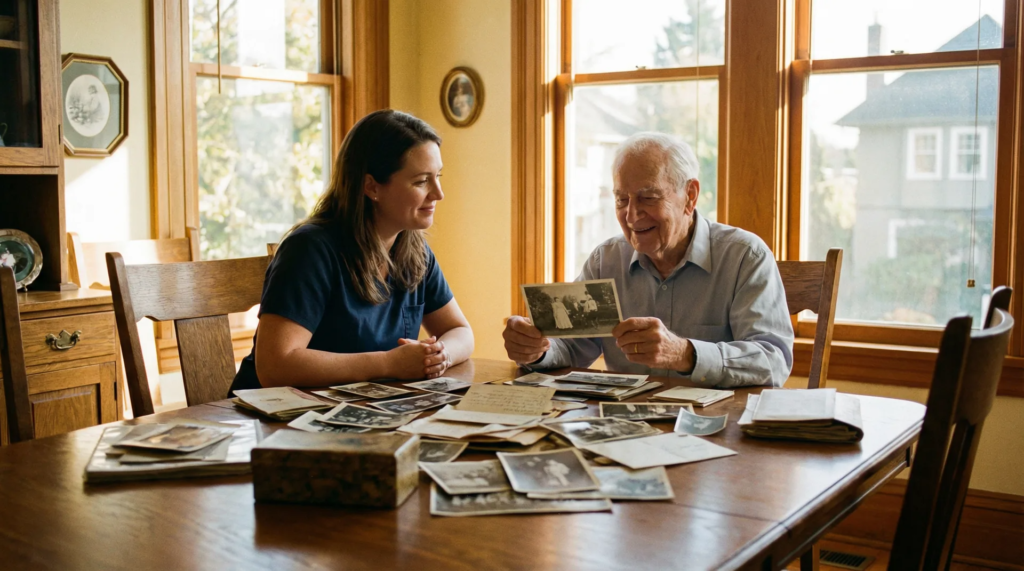
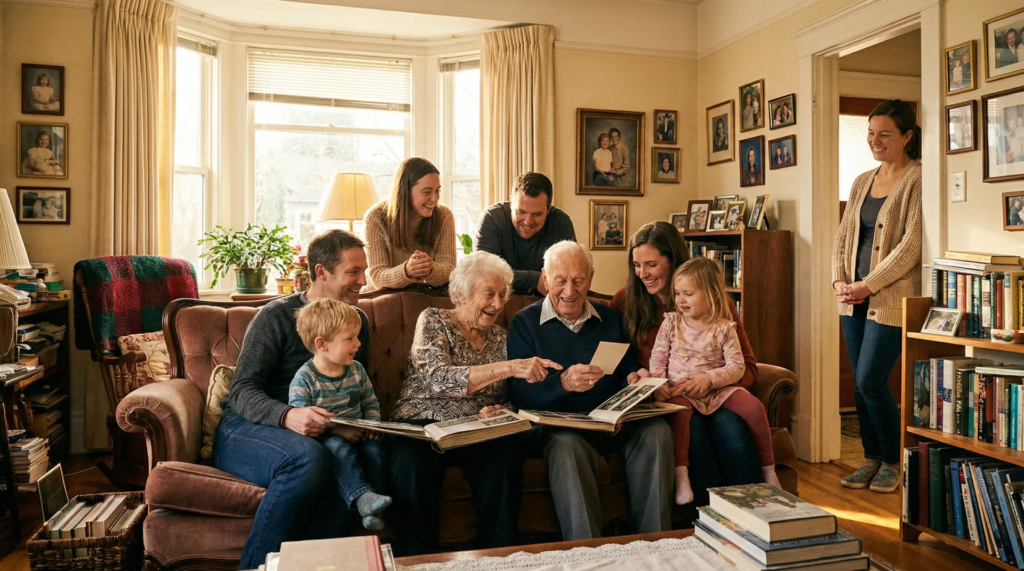
- Memory Preservation: We offer digital photo scanning, family album creation, and memory box curation. We ensure that the stories attached to cherished items are recorded and preserved, perhaps through oral history documentation or family story recording.
- Heirloom Distribution: We coordinate the careful distribution of legacy items to family members, ensuring that important pieces find their rightful homes and that family traditions are honored.
- Estate Sale and Appraisal Coordination: For valuable items that will not be making the move, we coordinate with trusted appraisers and estate sale professionals, ensuring clients receive fair value for their possessions.
- Donation Management: We handle the scheduling of donation pickups and the management of charitable tax receipts, ensuring that unwanted items benefit the community.
3. Concierge-Level Moving Coordination
We handle every logistical detail, acting as your personal project manager so you and your family can focus on the emotional transition.
- Vetted Moving Partners: We select and manage premium moving companies that meet our exacting standards for care and professionalism. We oversee their work to ensure your belongings are treated with the utmost respect.
- Packing Supervision: We oversee the packing process to ensure fragile and high-value items are protected. We use specialized packing materials and techniques to safeguard your most treasured possessions.
- New Home Setup: We don’t just unpack boxes; we set up the new home. From arranging furniture according to a customized space plan to making the bed, hanging artwork, and organizing the kitchen, we ensure the new space feels like home from day one.
- Utility and Address Coordination: We manage the administrative burden of transferring utilities, updating addresses, and ensuring all essential services are connected before you arrive.
4. Post-Move Adjustment and Continuity of Care
A moving company’s job ends when the last box is unpacked. Executive Home Care’s commitment continues long after moving day.
- Adjustment Support: We provide ongoing support to help clients settle into their new environment, establish new routines, and connect with their new community. We check in regularly to ensure they are comfortable and thriving.
- Seamless Care Integration: Because we are a comprehensive home care provider, our downsizing services integrate seamlessly with our other offerings. Whether you need Companionship & Social Connection, Personal Care, or Lifestyle & Leisure Enrichment, your dedicated care team remains consistent. The familiar faces that helped you move will be the same faces providing your ongoing care.
A Day in the Life: The EHC Downsizing Difference
To truly understand the value of Executive Home Care’s approach, consider a typical downsizing scenario involving a move from a large family home in Brentwood Bay to a premium condo in downtown Victoria.
The Standard Moving Company Experience: A team of efficient movers arrives on schedule at 8:00 AM. They work quickly to pack boxes, label them by room, and load the truck. The senior watches as their home of forty years is rapidly dismantled. The movers are polite but focused entirely on speed and efficiency. There is no time to pause and reflect on the memories attached to the items being packed away.
At the new condo, the movers unload the boxes, place the heavy furniture according to a pre-determined floorplan, and leave by mid-afternoon. The senior is left alone, surrounded by a sea of cardboard boxes, physically exhausted and emotionally drained. They face the daunting task of unpacking, organizing, and somehow turning this sterile new space into a home, often without the physical energy or emotional resilience to do so immediately.
The Executive Home Care Experience: The EHC experience begins weeks before moving day. An EHC transition specialist spends several afternoons with the senior in their Brentwood Bay home, listening to stories about the house and understanding which items hold the most meaning. Together, they carefully curate a collection of belongings that will make the new condo feel familiar and comforting. They arrange for the donation of unwanted items and coordinate the shipping of a cherished dining set to a daughter in Vancouver.
On moving day, the senior does not have to watch their home being dismantled. Instead, an EHC caregiver accompanies them to a leisurely lunch at their favorite restaurant, perhaps followed by a stroll through Beacon Hill Park. Meanwhile, the EHC transition specialist is at the house, managing the vetted moving team, ensuring fragile items are handled with care, and overseeing the entire logistical process.
When the senior arrives at their new downtown condo later that afternoon, the transformation is already complete. The boxes have been unpacked and removed. The bed is made with their favourite linens, their cherished artwork is already hung on the wall in familiar arrangements, and their favorite books are placed on the nightstand. The kitchen is organized, and the kettle is on.
The EHC specialist stays to share a cup of tea, providing emotional reassurance and ensuring the senior feels settled. They review the operation of the new appliances and ensure the senior knows how to contact them if needed during the night. The first night in the new home is not spent surrounded by boxes, but in a peaceful, dignified, and fully functional environment. This is the concierge-level difference that Executive Home Care provides.

Frequently Asked Questions About Senior Downsizing in Victoria BC
1. What is a senior move manager or transition specialist?
A senior transition specialist goes far beyond what a standard moving company provides. While movers handle the physical transport of boxes, a transition specialist like Executive Home Care manages the entire emotional and logistical journey—from memory preservation and family mediation to new home setup and ongoing post-move care.
2. When is the right time to start planning a downsize?
The best time to start is before a health crisis forces the decision. Starting early allows the senior to maintain control over the process, make decisions at their own pace, and perceive the move as a voluntary, positive step.
3. How do we handle items that family members want?
Executive Home Care coordinates the careful distribution of legacy items and heirlooms to family members, ensuring that important pieces find their rightful homes and that family traditions are honored.
4. Can Executive Home Care help prepare the house for sale?
Yes. As part of our comprehensive coordination, we work with trusted real estate professionals, cleaners, and staging experts to ensure your Victoria property is presented at its best, maximizing your return on investment.
5. What if my parent is resistant to downsizing?
Resistance is often rooted in fear of the unknown and the grief of leaving a family home. Our transition counselors specialize in navigating these emotions. We focus on the benefits of the new lifestyle while validating their feelings of loss, helping them reach a place of acceptance.
6. Do you provide ongoing care after the move?
Absolutely. This is a key differentiator. Executive Home Care provides a full spectrum of premium home care services. The team that supports your transition can continue to provide personal care, companionship, and lifestyle support in your new home. This continuity of care is vital for seniors who may struggle with the transition, as it provides familiar faces and consistent support during a vulnerable time.
7. What happens if we need to downsize quickly due to a health emergency?
While we always recommend starting the downsizing process early, we understand that emergencies happen. Our team is equipped to handle rapid transitions with the same level of care and professionalism. We can expedite the planning process, coordinate with healthcare providers, and ensure a safe and comfortable move, even on a compressed timeline.
8. Can you help with the emotional aspects of leaving a family home?
Yes, this is a core component of our service. Our transition counselors are trained to support seniors through the grief and anxiety associated with downsizing. We provide a safe space for them to express their feelings, validate their experiences, and help them focus on the positive aspects of their new lifestyle. We also offer family mediation to help navigate complex family dynamics and ensure everyone is on the same page.
Embrace Your Next Chapter with Confidence
Downsizing is a significant milestone, but it does not have to be a traumatic one. With the right support, it can be a liberating transition to a simpler, more focused lifestyle.
At Executive Home Care, we believe that your later years should be defined by comfort, dignity, and peace of mind. Our Home Transition & Downsizing Services are designed to honor your past while expertly managing your move into the future.
If you or a loved one are considering downsizing in Victoria, Oak Bay, James Bay, Saanich, Brentwood Bay, Esquimalt, Sidney, Langford, Colwood, View Royal, Cobble Hill, or Salt Spring Island, we invite you to experience the difference of concierge-level support.
Contact Executive Home Care today for a private consultation.
Call or Text: 250–213–6836
Book your Free Consultation Now